Source NCR ATM Cassette Shutter Door for Commercial, Retail, and Banking
Compare 30 available NCR ATM cassette shutter door options with varying certifications like CE and ISO, shapes including square and round, and delivery times from China. Buyers can review specifications for through-the-wall usage and security features.
Key considerations
Products List


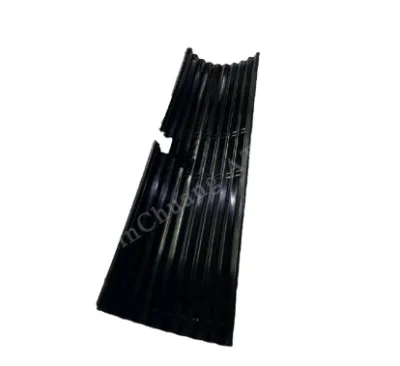
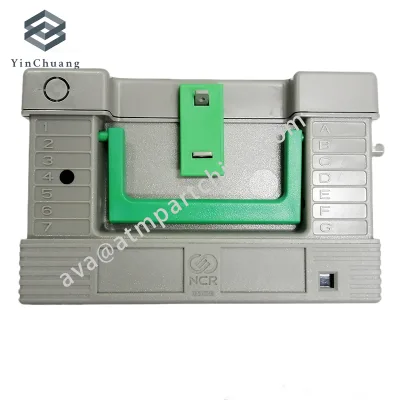
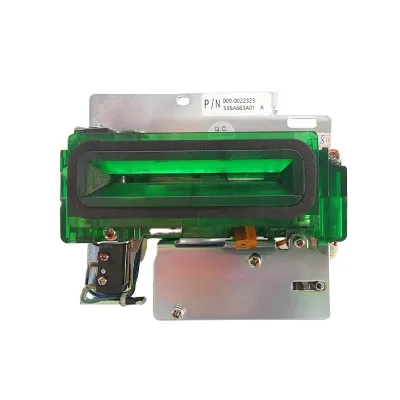
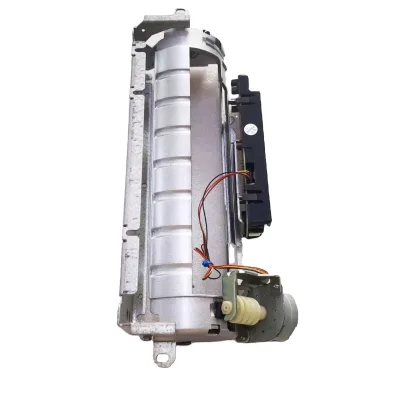
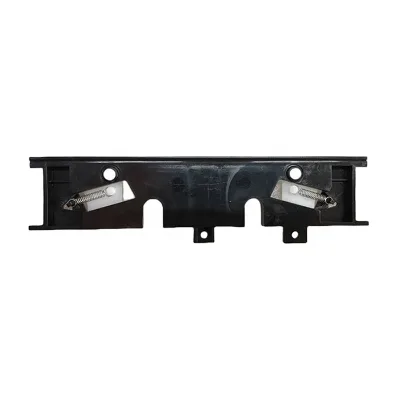
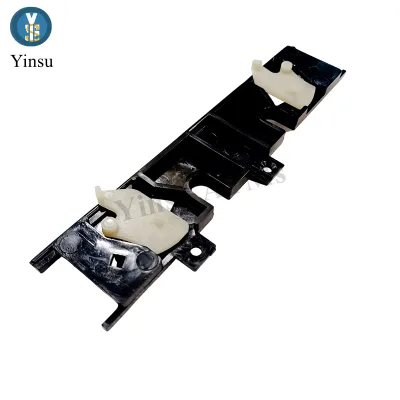
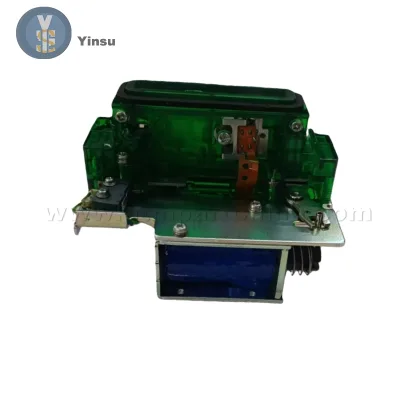
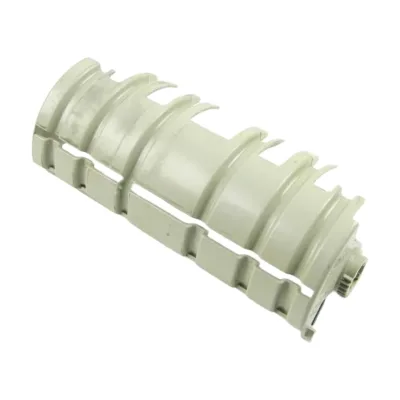


Comprehensive Sourcing Guide
Strategic Sourcing Guide for NCR ATM Cassette Shutter Doors
Understanding Technical Specifications and Product Variants
When sourcing NCR ATM cassette shutter doors, buyers must first navigate a complex landscape of technical specifications that vary significantly across available inventory. The core product category encompasses mechanical and electromechanical components designed to secure cash cassettes within Automated Teller Machines. Based on observed market data, these units are not monolithic; they present in distinct configurations including square and round shapes, indicating that the physical footprint must align precisely with the specific ATM model in question.
A critical observation in the current supply market is the existence of multiple part numbers for what appears to be the same functional category. Buyers will encounter identifiers such as 445-0582377, 445-0586992, 445-0599667, 445-0619129, and 445-0591563. These alphanumeric codes are not merely labels but serve as the primary verification mechanism for compatibility. The absence of a single universal part number suggests that a "one-size-fits-all" approach is ineffective. Procurement teams must cross-reference these specific identifiers against the serial numbers of their existing ATM units to ensure mechanical fitment.
The operational mechanics of these shutters also vary. Some units are described as "Through-The-Wall" installations, implying a specific mounting requirement where the shutter integrates directly into the bank's wall structure. Others are categorized under "Sliding" or "Rolling" open styles, which dictates the actuation mechanism and the spatial clearance required for operation. The presence of "With Remote Control" as a feature in certain listings highlights a shift toward automated access, distinguishing these from purely manual mechanical locks. Furthermore, the "Enclosed" safety attribute suggests a design philosophy focused on preventing unauthorized access to the internal cassette mechanism, a non-negotiable requirement for financial security.
Material composition is another pivotal specification. While some listings mention "Aluminum Alloy," others do not explicitly state the material, relying instead on the "Generic" or "Original New" condition descriptors. The "Finished" surface finishing process indicates that the units undergo a post-manufacturing treatment, likely for corrosion resistance and aesthetic consistency. Buyers should verify the exact material grade, as the structural integrity of the shutter is paramount when it is subjected to repeated mechanical stress and potential tampering attempts.
Compliance and Certification Verification Protocols
In the realm of financial hardware, compliance is not merely a regulatory formality but a fundamental component of risk management. The supply market for ATM shutter doors presents a fragmented certification landscape. Some products are listed with a robust suite of certifications including ISO, CE, CCC, and RoHS. The presence of CCC (China Compulsory Certification) is particularly relevant for products manufactured or sold within the Chinese market, while CE indicates conformity with health, safety, and environmental protection standards for the European Economic Area. RoHS compliance ensures that the materials used do not contain restricted hazardous substances, which is increasingly important for global supply chains.
However, buyers must exercise extreme caution regarding the universality of these certifications. The data indicates that while some units carry the full suite of ISO, CE, CCC, and RoHS, others may only list CE or ISO. This discrepancy suggests that certification status is product-specific rather than a blanket attribute of the entire category. A procurement strategy that assumes all listed shutter doors are fully certified across all regions is prone to failure. Instead, buyers must treat certifications as observations of specific SKUs.
The "Standard" attribute for some products is listed as "CE," while others reference "Paper Cartons" or "Export Standard Neutral Cartons" as their standard. This variation in "standard" terminology can be confusing; it often refers to packaging standards rather than product safety standards. Buyers must distinguish between the packaging standard (e.g., export neutral cartons) and the product compliance standard (e.g., CE, ISO). The confusion between "Paper Cartons" as a standard and "Export Standard Neutral Cartons" as a packing method underscores the need for rigorous documentation review.
For international deployments, the verification of CE and ISO certifications is critical. The "High-Quality" condition descriptor found in some listings does not substitute for formal certification. A product may be in "Original New" condition yet lack the necessary regulatory markings for the destination country. Therefore, the procurement process must include a mandatory request for valid, up-to-date certification documents for the specific batch of goods being ordered. Relying on the general presence of "CE" in a product description without verifying the specific certificate number and issuing body is a significant compliance risk.
Cost Drivers and Pricing Dynamics
The pricing structure for NCR ATM cassette shutter doors is highly variable, reflecting the diversity of the supply base and the condition of the goods. The observed price range spans from $0.50 to $300.00 USD. This wide disparity is not indicative of a single product line but rather a reflection of several key cost drivers: condition, origin, and specific configuration.
The "Quality Condition" is a primary determinant of price. Listings explicitly differentiate between "Original New," "Refurbished," and "Generic" units. "Original New" components, which are likely genuine NCR parts or high-grade equivalents, command the higher end of the price spectrum. Conversely, "Generic" units, which may be third-party reproductions, are positioned at the lower end. The "Refurbished" category offers a middle ground, where used components have been restored to working order, often at a significant discount but with potential limitations on warranty and lifespan.
The origin of the product also influences cost. While the majority of the supply chain appears to be rooted in China, with specific mentions of Guangdong and Wuxi, the logistics and manufacturing overheads vary by region. Products originating from "Wuxi, China" might have different cost structures compared to those from "Guangdong, China," potentially due to local labor costs, supply chain maturity, or specific manufacturing capabilities.
Minimum Order Quantity (MOQ) is another critical factor affecting the total cost of ownership. The observed MOQ range is 1 to 1000 units. For buyers requiring a single replacement part, an MOQ of 1 PC is available, allowing for immediate procurement without inventory buildup. However, for large-scale deployments or bulk replacements, the ability to order up to 1000 units may unlock volume pricing, though the specific discount tiers are not publicly defined in the general listings. The "Plenty in Stock" status for many items suggests that immediate availability does not necessarily correlate with lower prices, as stock levels are high across both premium and generic segments.
Typical Applications and Operational Context
The primary application for these shutter doors is within the financial services sector, specifically for securing cash dispensing units in Automated Teller Machines. The "Through-The-Wall" usage specification indicates that these units are often integrated into the physical infrastructure of a bank branch or a standalone ATM kiosk. This installation type requires precise alignment with the building's wall thickness and the ATM's internal chassis.
The "Commercial" position attribute suggests that these shutters are designed for high-traffic, high-security environments. They are not intended for residential or low-security commercial use. The "Security" special function reinforces this, highlighting that the primary value proposition is the prevention of unauthorized access to the cash cassette. The "Linear" door panel pattern is a design choice that likely serves both aesthetic and functional purposes, potentially aiding in the concealment of seams or facilitating a flush fit with the ATM exterior.
The power requirements for electromechanical variants are also notable. Some units are specified with a "60W" power rating, indicating the energy consumption for the motorized actuation system. This is a critical parameter for integration with the ATM's internal power supply and for ensuring that the shutter does not cause voltage drops or power instability in the machine. The "Output Torque" of 100n (likely Newton-meters) and "Motor Shaft" length of 3.3m (which may be a data entry anomaly or refer to a specific shaft dimension) are technical details that must be verified against the specific ATM model's mechanical interface.
The "Any Size" specification for some units suggests a level of customization or modularity. This allows the shutter to be adapted to various ATM chassis dimensions, which is a significant advantage for buyers managing a heterogeneous fleet of machines. However, this flexibility must be balanced against the need for precise fitment to ensure the "Enclosed" safety feature functions correctly.
Supplier Evaluation and Sourcing Strategy
Evaluating suppliers in this sector requires a focus on transparency and documentation rather than brand reputation, as the market is populated by a mix of original manufacturers, refurbishers, and third-party component suppliers. The "Generic" quality condition of many listings necessitates a rigorous vetting process. Buyers should prioritize suppliers who can provide clear documentation regarding the "Quality Condition" of the specific unit, distinguishing between "Original New," "Refurbished," and "Generic" with verifiable evidence.
The "Stock Status" of "Plenty in Stock" is a positive indicator of supply chain stability, but it does not guarantee the quality of the goods. Buyers should verify the "Delivery Time" claims, which are listed as "3-7 Working Days." This lead time is relatively short, suggesting a well-established logistics network, but it is crucial to confirm if this applies to all part numbers or only specific high-volume SKUs. The "3 Month" or "3 Months" warranty period is a standard offering, but the scope of this warranty must be clearly defined. Does it cover mechanical failure, electrical components, or both?
The "Packing" standards, such as "Export Standard Neutral Cartons" or "Carton First and Then Wooden Case," are critical for ensuring the goods arrive undamaged. The "Wooden Case" option for certain items suggests that high-value or fragile units require enhanced protection. Buyers should explicitly request this packing method for expensive "Original New" units to mitigate transit risk.
When selecting a supplier, the "Location" of the manufacturer is a secondary but relevant factor. While most are based in China, the specific provinces (Guangdong vs. Wuxi) may indicate different manufacturing clusters. Guangdong is a major hub for electronics and hardware, while Wuxi is known for heavy industry and machinery. Understanding the manufacturing origin can provide insights into the likely quality of the metalwork and the precision of the assembly.
Quality Control and Long-Term Procurement Considerations
Quality control for ATM shutter doors must extend beyond the initial inspection of the product. The "Condition" of the item, whether "Original New" or "Refurbished," dictates the expected lifespan and reliability. "Refurbished" units, while cost-effective, may have a higher risk of premature failure compared to "Original New" components. For critical financial infrastructure, the "High-Quality" descriptor should be treated as a marketing term unless backed by specific test results or a comprehensive warranty.
The "Surface Finishing" process, described as "Finished," is a key quality indicator. A proper finish protects the aluminum alloy or steel components from corrosion, which is essential for units installed in various environmental conditions. Buyers should verify the type of coating used, as this impacts the longevity of the shutter in humid or outdoor environments.
Long-term procurement considerations include the availability of spare parts and the consistency of the supply chain. The existence of multiple part numbers (e.g., 445-0582377 vs. 445-0586992) suggests that the market is dynamic, and part obsolescence is a risk. Buyers should establish relationships with suppliers who can guarantee the continued availability of specific part numbers or provide compatible upgrades.
The "Warranty" period of 3 months is relatively short for industrial hardware. For long-term operational stability, buyers should negotiate extended warranty terms or seek suppliers who offer service-level agreements (SLAs) that cover on-site repairs or replacements. The "Security" function of the shutter is paramount; any failure in this area could lead to significant financial loss and reputational damage. Therefore, the procurement strategy must prioritize reliability over initial cost savings, especially for high-traffic ATM locations.
Comparative Analysis of Product Attributes
To facilitate decision-making, the following table summarizes the key attributes observed in the market, highlighting the variations that buyers must navigate.
| Attribute | Observation 1 | Observation 2 | Observation 3 | Observation 4 |
|---|---|---|---|---|
| Part Number | 445-0582377 | 445-0586992 | 445-0599667 | 445-0619129 |
| Shape | Square | Round | N/A | N/A |
| Condition | Original New / Refurbished / Generic | Original New / Generic | High-Quality | Generic |
| Certification | ISO, CE | CCC, ISO, CE, RoHS | CE, ISO | CE, RoHS |
| Packing | Export Standard Neutral Cartons | Standard Packing | Carton First and Then Wooden Case | Paper Cartons |
| Origin | China | Guangdong, China | Wuxi, China | China |
| Warranty | 3 Month | 3 Months | N/A | N/A |
| Delivery Time | 3-7 Working Days | N/A | N/A | N/A |
| Special Function | Security | Security | N/A | N/A |
| Open Style | Rolling | N/A | N/A | N/A |
| Power | 60W | N/A | N/A | N/A |
This table illustrates the heterogeneity of the market. The variation in part numbers, conditions, and certifications necessitates a tailored approach for each procurement need. Buyers cannot rely on a single specification sheet for the entire category. Instead, they must treat each listing as a unique product offering, verifying the specific attributes against their operational requirements before committing to a purchase. The "Security" function is a common thread, but the implementation details vary widely, requiring careful technical due diligence.
FAQs
What certifications do NCR ATM cassette shutter doors have?
Products typically carry ISO, CE, CCC, and RoHS certifications. Some listings specify only CE or ISO, so verify the specific certificate for each SKU before purchasing to ensure regional compliance.
How long is the delivery time for these shutter doors?
The standard delivery time is 3-7 working days. This lead time applies to items marked as plenty in stock, though specific part numbers may vary in availability.
What is the minimum order quantity for NCR shutter doors?
The minimum order quantity ranges from 1 piece to 1000 units. Buyers can source single replacement parts or bulk orders depending on their inventory needs and supplier capacity.
Which part numbers are available for NCR ATM shutter doors?
Common part numbers include 445-0582377, 445-0586992, 445-0599667, 445-0619129, and 445-0591563. Buyers must cross-reference these codes with their specific ATM model for mechanical fitment.
Can I find NCR shutter doors with remote control features?
Yes, some units are available with remote control opening types. These electromechanical variants often feature a 60W power rating and sliding or rolling open styles for automated access.
What is the warranty period for these ATM shutter doors?
The standard warranty period is 3 months. This coverage applies to the specific condition of the unit, whether it is original new, refurbished, or generic quality.
Where are NCR ATM shutter doors manufactured?
Products originate from China, specifically from regions like Guangdong and Wuxi. The manufacturing location may influence cost structures and logistics for international buyers.